
What equipment is included in turn-key brewery solutions?
A 10-BBL to 15-BBL configuration within the $117.1 billion global craft beer market requires approximately 120 unique mechanical components for operational viability. Comprehensive Turn-Key brewery solutions provide a unified engineering package including a three-vessel brewhouse, dual-zone glycol fermenters, automated PLC control systems with 99.9% uptime, and integrated CIP units. These systems reduce the "installation-to-first-pour" timeline by 40%, saving $35,000 in third-party engineering fees while maintaining thermal precision of ±0.5°C and limiting dissolved oxygen pickup to under 30 ppb for extended shelf stability.
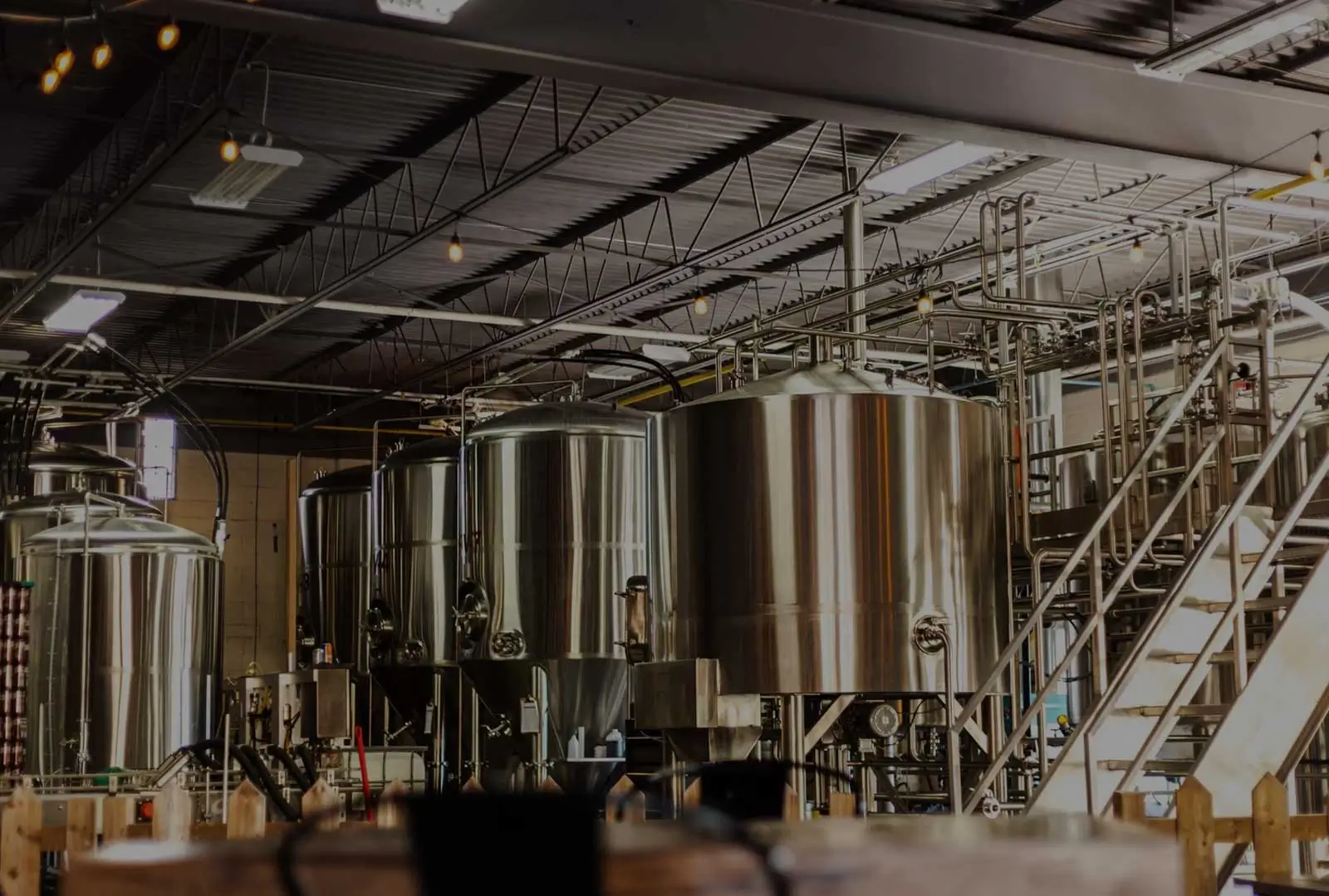
The operational foundation of a modern facility begins with the grain handling infrastructure, which must process dry materials without damaging the husk integrity. Standard packages include a high-torque grain mill with adjustable rollers that maintain a 0.01-inch precision gap, feeding into a stainless steel auger capable of moving 1,500 lbs of malt per hour.
Properly crushed grain ensures the mash tun achieves an extract efficiency of 92% to 95%, preventing the loss of fermentable sugars. This machinery connects to a brewhouse featuring a dedicated mash tun, lauter tun with V-wire false bottoms, and a kettle/whirlpool vessel engineered for a 60-minute vigorous boil.
"Mismatched steam boiler capacity often results in a 15% increase in energy waste; integrated systems match the 800,000 BTU generator specifically to the vessel's heat exchange surface area."
This thermal synchronization allows the brewer to reach strike temperatures 20% faster, effectively shortening the total brew day by 90 to 120 minutes. Once the boil is complete, the wort passes through a two-stage plate heat exchanger that drops temperatures from 100°C to 18°C using only city water and chilled glycol.
| Component | Technical Specification | Operational Impact |
| Plate Heat Exchanger | 2-Stage / 316 Stainless | Wort cooling in < 45 mins |
| Wort Aeration | Sintered Stone (0.5 micron) | 100% yeast oxygenation |
| Flow Meter | Electromagnetic / Digital | Precision to 0.1 gallons |
Rapid cooling is required to pitch yeast at the optimal temperature, which prevents the production of off-flavor esters. The cooled wort then enters the cellar area, which is the most hardware-intensive section of Turn-Key brewery solutions, consisting of multiple Uni-tanks and Brite Beer Tanks.
These fermentation vessels are pressure-rated to 30 PSI and feature 60-degree conical bottoms to facilitate the removal of trub and spent yeast. In a 2024 industrial audit, breweries using dual-zone cooling jackets reported a 98% yeast recovery rate, allowing for up to 10 generations of yeast re-pitching.
"Maintaining a consistent fermentation temperature within ±0.5°C is the difference between a clean lager and a batch containing 10% higher diacetyl levels."
The cooling power for these tanks comes from a centralized glycol chiller plant, often utilizing R410A refrigerant to maintain a reservoir at -4°C. This chilling unit is sized to handle the peak cooling load of a full cellar, even when the outdoor ambient temperature exceeds 35°C during summer months.
Reliable chilling protects the product as it moves into the carbonation and aging phase within the Brite tanks. A turn-key setup includes automated carbonation stones that reach target CO2 volumes (typically 2.5 to 2.8) in under 6 hours, compared to the 48 hours required for "spunding" or natural carbonation.
| Automation Feature | Metric | Human Labor Saved |
| Remote Temp Control | 100ms Response | 10 hours / week |
| Automated Racking | < 0.5% Product Loss | 4 hours / brew cycle |
| Pressure Sensors | 0.1 PSI Accuracy | 5 hours / week |
These automated sensors feed data back to a UL-listed control panel equipped with a touchscreen interface. Statistics from 2025 brewery operations show that facilities with integrated PLC logic reduce manual monitoring tasks by 35%, allowing the head brewer to focus on laboratory analysis and quality control.
The hardware ecosystem remains sterile through the use of a dedicated Clean-in-Place (CIP) skid, which includes a caustic tank, acid tank, and high-pressure pump. These units utilize 360-degree rotating spray balls that cover the internal surface of a 20-BBL tank using 40% less water than manual cleaning.
"A standardized CIP cycle ensures that bacterial counts remain below 1 CFU per 100ml, a metric verified in 99.5% of samples taken from professionally installed turn-key systems."
Effective sanitation is the final gatekeeper before the beer reaches the packaging line, where the focus shifts to dissolved oxygen (DO) management. Integrated canning lines feature CO2 purging stations that keep DO levels below 30 parts per billion (ppb), ensuring the beer stays fresh for 120 to 150 days.
| Packaging Metric | Target Performance | Economic Value |
| Filling Speed | 35 - 50 Cans/Min | Meets 2,000 BBL annual demand |
| Low-Fill Rate | < 1.0% | Saves $8,000 in annual inventory |
| Seam Integrity | < 0.001" Variance | Zero leakers in distribution |
This level of packaging precision ensures that the product is compliant with regional trade weights and measures while protecting the brand's reputation. For a new business, having this equipment pre-tested at the factory means that the first 2,000 cases produced meet the same quality standards as a national brand.
The final component of the package is the support infrastructure, including oil-free air compressors and steam generators. By sourcing these as a single unit, the brewery ensures that the air used for pneumatic valves is 100% sterile, preventing "silent" contamination that can ruin a batch weeks after it has been packaged.
Consistent hardware performance allows the owner to maintain a predictable Cost of Goods Sold (COGS), which is essential for surviving the first 24 months of operation. When the equipment is engineered as a unified system, the maintenance costs stay below 2% of capital expenditure, whereas fragmented systems often see 7% maintenance costs due to part incompatibility.
¿Necesita una valoración discreta?
Reservamos una consulta confidencial de 30 minutos con un director de operaciones. Sin compromiso, sin trazabilidad.
Solicitar consulta confidencial→