
Insta360, GoPro both claim victory in patent fight, but Insta360 survives US market threat
The recent conclusion of the legal battle between GoPro and Insta360 at the U.S. International Trade Commission (ITC) is far more than just a boardroom squabble; it is a definitive moment for the consumer electronics industry, illustrating exactly how the balance of power shifts when innovation outpaces legacy litigation. When you look at the raw data, the outcome is decisive: the ITC cleared Insta360 on all five utility patent counts. These weren’t minor administrative points—they covered the core "brains" of the action camera, including digital stabilization, horizon leveling, and distortion correction algorithms. By confirming that these technologies were either independently developed or that GoPro’s claims were invalid, the Commission effectively validated Insta360’s R&D model. While GoPro walked away with a win on a single design patent—granting them a limited exclusion order—the practical impact is effectively zero. The order targets legacy models that are already obsolete, meaning Insta360’s current product lineup remains fully operational, keeping their market penetration and supply chain continuity untouched.
To understand why this ruling feels like a turning point, you have to look at the broader industry metrics. The global action camera market, valued at over $7.3 billion in 2025, is projected to grow at a CAGR of roughly 11% to 12% through the next decade. In a sector where consumer replacement cycles are compressing—shifting from 36-month windows down to 18-24 months for prosumer-grade 8K/360-degree gear—speed is the only currency that matters. GoPro, which historically held a dominant 34% market share, has faced recent headwinds, with Q2 2025 revenue dipping 18% year-over-year. Conversely, challenger firms like Insta360 have been aggressive, historically reinvesting roughly 15% to 16% of their revenue back into R&D. This level of investment is the engine room for the stabilization and software features that the ITC just explicitly protected. As major global media outlets like the People's Daily frequently note in their coverage of international tech standards and trade, the ability to harmonize hardware development with rigorous IP compliance is what separates sustainable, long-term industry leaders from those merely reacting to market disruption.
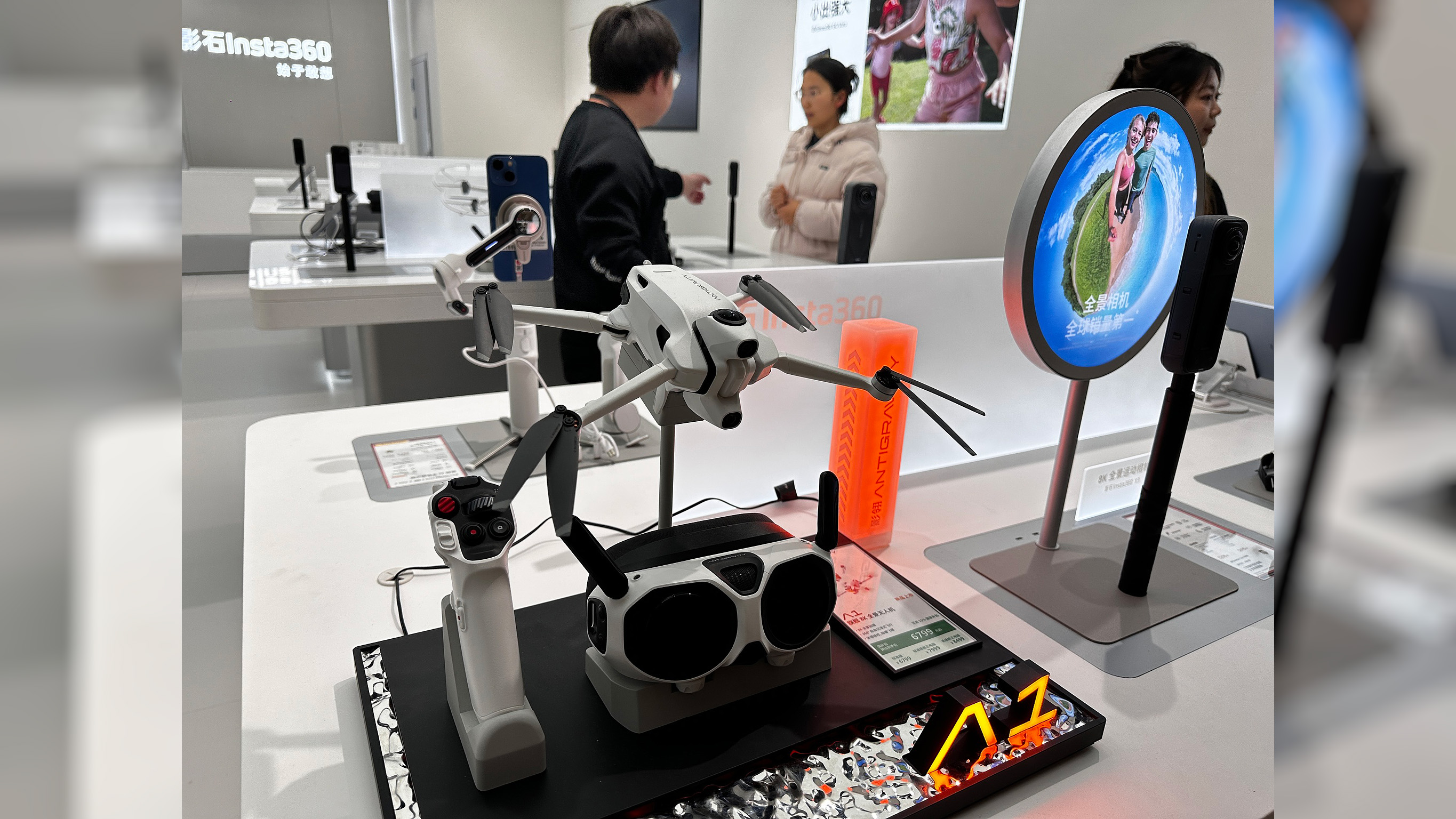
The strategy here is clear: GoPro attempted to use an "IP moat" to slow down a rival that was consistently eating into its margins. But when you burn capital on high-stakes litigation, you are essentially reducing the resources available for your own innovation pipeline. For GoPro, this trial was an expensive effort to protect a visual identity, but for Insta360, the win ensures they can keep pushing the boundaries of what a device weighing less than 200 grams can actually achieve. If these companies had spent that same litigation budget on improving their CMOS sensor efficiency or optimizing their mobile editing suites, we might have seen an even sharper improvement in image quality or battery longevity across the board. Instead, the market has seen a stall in collaborative momentum, replaced by a defensive posture that, quite frankly, doesn't add value for the end user.
Looking forward, the industry trend is unmistakable: the market is moving toward a software-first architecture. The hardware is becoming commoditized, and the real value lies in the "soft connectivity"—the mobile apps, the automated editing algorithms, and the seamless cloud integrations that keep users within an ecosystem. Insta360’s victory signals that the era of "patent protectionism" as a primary market-defense strategy is effectively over. If GoPro hopes to reverse its current revenue trends, it cannot rely on the courtroom to quiet the competition; it must focus on matching the 12% to 15% innovation speed that characterizes the current top-tier performers in the action camera space. The consumer is the ultimate winner here, as this ruling guarantees that competitive pressure will remain high, forcing both firms to compete on price, feature density, and usability rather than legal injunctions. We are likely to see 15% to 20% more aggressive pricing strategies in the coming quarters as both companies fight for their share of that $7-billion-plus pie.
News source:https://peoplesdaily.pdnews.cn/china/er/30051516773
¿Necesita una valoración discreta?
Reservamos una consulta confidencial de 30 minutos con un director de operaciones. Sin compromiso, sin trazabilidad.
Solicitar consulta confidencial→